
Rock/Review Lost in Town - Cold Coffe
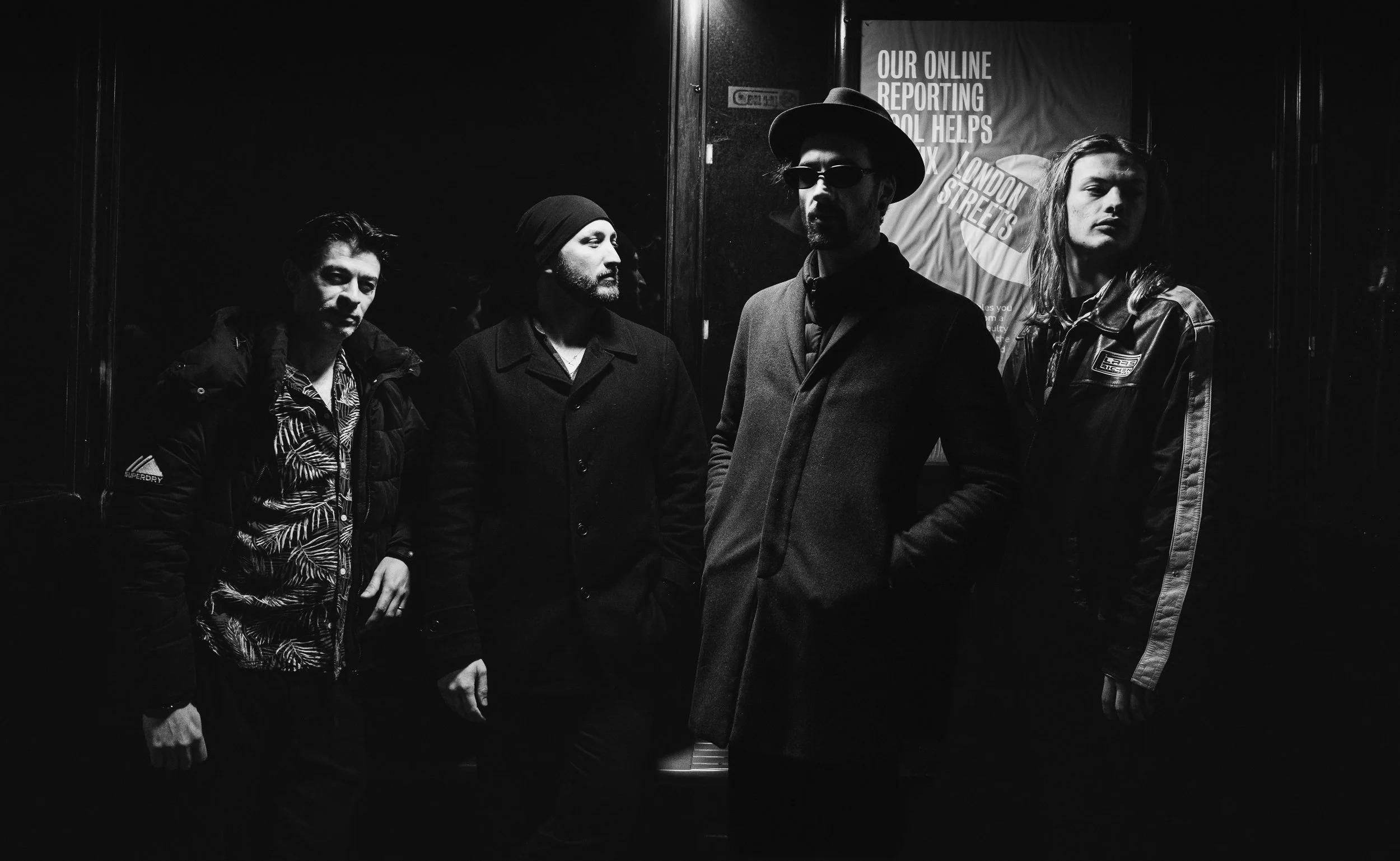
Lost in Town is a London-based alternative rock band led by Italian songwriter Federico. Formed by Italian musicians who found their voice by immersing themselves in the UK music scene. The band wasn’t created to follow a trend or fit a scene—it exists because not writing was never an option. Federico draws from real moments of vulnerability, pressure, doubt, and inner tension, without trying to protect himself or soften the truth.
“Cold Coffe” by Lost in Town is a quietly devastating piece of alternative rock that captures the subtle unraveling of a relationship with remarkable emotional precision. Set against the evocative backdrop of a winter train station, the song uses its setting as both a literal and symbolic space—one where decisions linger in the air and time moves forward whether hearts are ready or not.
From the opening moments, the track establishes a melancholic tone, built on gentle guitar lines and a steady, reflective rhythm. There’s a clear influence of British guitar music, with shades of Oasis in its grounded simplicity and echoes of early Coldplay in its emotional openness. Yet, “Cold Coffe” never feels derivative; instead, it channels those inspirations into something personal and understated.
Lyrically, the song thrives on its restraint. Rather than dramatic declarations, it leans into the quiet tension of indecision—the internal dialogue between leaving and staying. This subtle approach makes the emotional impact even stronger, as listeners are invited to fill in the gaps with their own experiences. The imagery of cold coffee becomes a powerful metaphor for a love that has lost its warmth, unnoticed until it’s too late.
As the fourth single from the upcoming “Move to Mars EP,” “Cold Coffe” feels like a pivotal moment in the project’s unfolding narrative. It suggests a deeper thematic cohesion, hinting at a broader exploration of change, distance, and emotional drift.
Ultimately, “Cold Coffe” is a beautifully restrained track that finds its strength in nuance. It doesn’t shout for attention—it lingers, like a memory you can’t quite shake.
