
Country/Review Neo Brightwell - We Didn’t Survive to Be Quiet
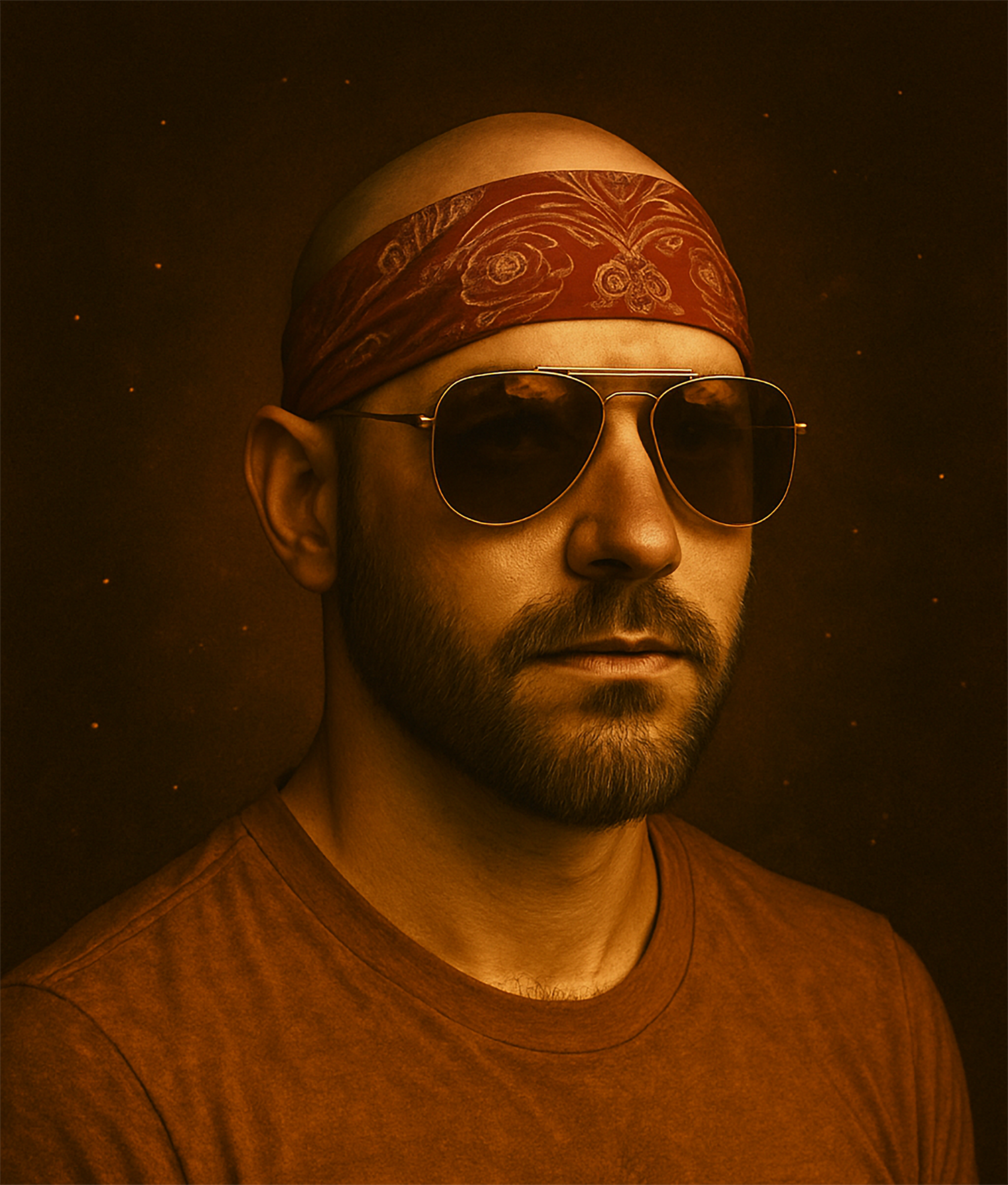
Neo Brightwell is a genre-defiant songwriter and performance artist crafting what he calls “Moonshine Disco”—a fusion of Americana grit, queer gospel, and cinematic storytelling. Based in Philadelphia, PA, Brightwell writes mythic, soul-struck songs that bridge roots music and rebellion, weaving the sacred and the outlaw into one voice. His lyrics read like scripture carved from firelight: haunted, poetic, and redemptive.
“We Didn’t Survive to Be Quiet” by Neo Brightwell is a bold and emotionally charged statement that transforms survival into sound. Expanding on his self-described genre “Moonshine Disco,” Brightwell crafts a thirteen-track album that blends outlaw gospel spirit, Americana textures, and electronic grooves into something both deeply personal and politically resonant. The result is a record that feels urgent without sacrificing musical richness.
Where earlier work like “An American Reckoning” carried the tone of testimony, “We Didn’t Survive to Be Quiet” moves into the aftermath—the moment when silence breaks and voices rise together. Across the album, Brightwell explores themes of resistance, queer liberation, and communal healing. These are not treated as abstract ideas but as lived experiences woven directly into the music’s emotional architecture.
Musically, the album thrives on contrast. Warm gospel-like harmonies sit beside gritty electronic rhythms, while acoustic elements of Americana brush against pulsing dance beats. This fusion gives the record a sense of motion—songs feel designed not only to be heard but felt physically, as if meant for both reflection and collective movement. The grooves carry a rebellious energy, while the lyrics remain literate and cinematic, painting vivid scenes of struggle, resilience, and solidarity.
What makes the album particularly compelling is how it avoids the clichés of overt protest music. Rather than relying on slogans, Brightwell communicates through atmosphere, melody, and rhythm, allowing the message to emerge organically through the music’s emotional weight.
Ultimately, “We Didn’t Survive to Be Quiet” stands as a fearless artistic declaration—one that celebrates voice, identity, and the power of community in a world that too often demands silence.
