
Classical/Review Francesco Trento - In Omeostasi
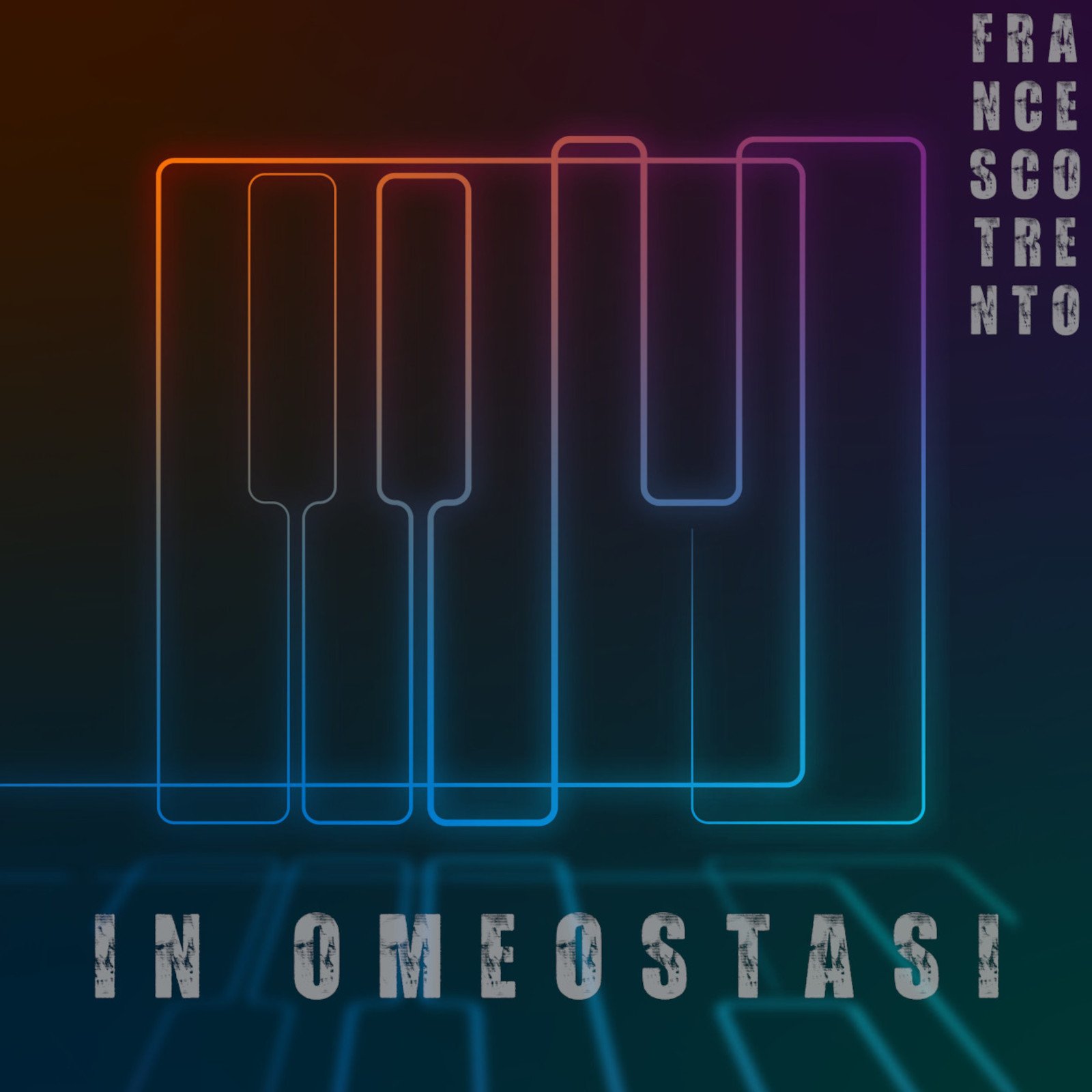
Hailing from the picturesque town of Bassano del Grappa in Italy, Francesco Trento is an emerging solo artist whose deeply personal approach to composition sets him apart in the contemporary piano landscape. Drawing inspiration from the emotive soundscapes of Nils Frahm, Ludovico Einaudi, Hania Rani, and Vangelis, Trento has crafted a distinctive sonic identity that honors these masters while forging his own path.
Francesco Trento’s EP “In Omeostasi” is a thoughtful and immersive exploration of balance—both in sound and in artistic intent. Rooted in the elegance of classical piano yet unafraid to venture into contemporary electronic territory, the project achieves a delicate fusion that feels both natural and quietly daring.
From the opening moments, Trento establishes an atmosphere that is introspective and fluid. The piano remains the emotional core throughout, offering familiar warmth and melodic clarity. Around it, however, unfolds a world of subtle electronic textures and processed sounds that gently reshape the listening experience. Rather than clashing, these elements coexist in a carefully maintained equilibrium, reflecting the concept of homeostasis that defines the EP’s title.
What stands out most is the intentional minimalism behind the production. Recorded with limited equipment, the EP proves that artistic depth does not rely on complexity or excess. Each note and texture feels purposeful, creating space for reflection and allowing the music to breathe. This restraint enhances the emotional impact, drawing listeners into a contemplative state where every detail matters.
“In Omeostasi” resists easy categorization, and that is precisely its strength. It moves seamlessly between classical sensitivity and experimental curiosity, never fully settling into one identity. This fluidity gives the EP a timeless quality, appealing to listeners across genres.
Ultimately, Francesco Trento delivers a work that is both intimate and expansive—a quiet meditation on balance, creativity, and expression. It’s a compelling reminder that true artistry often lies in the harmony between contrasts.
