
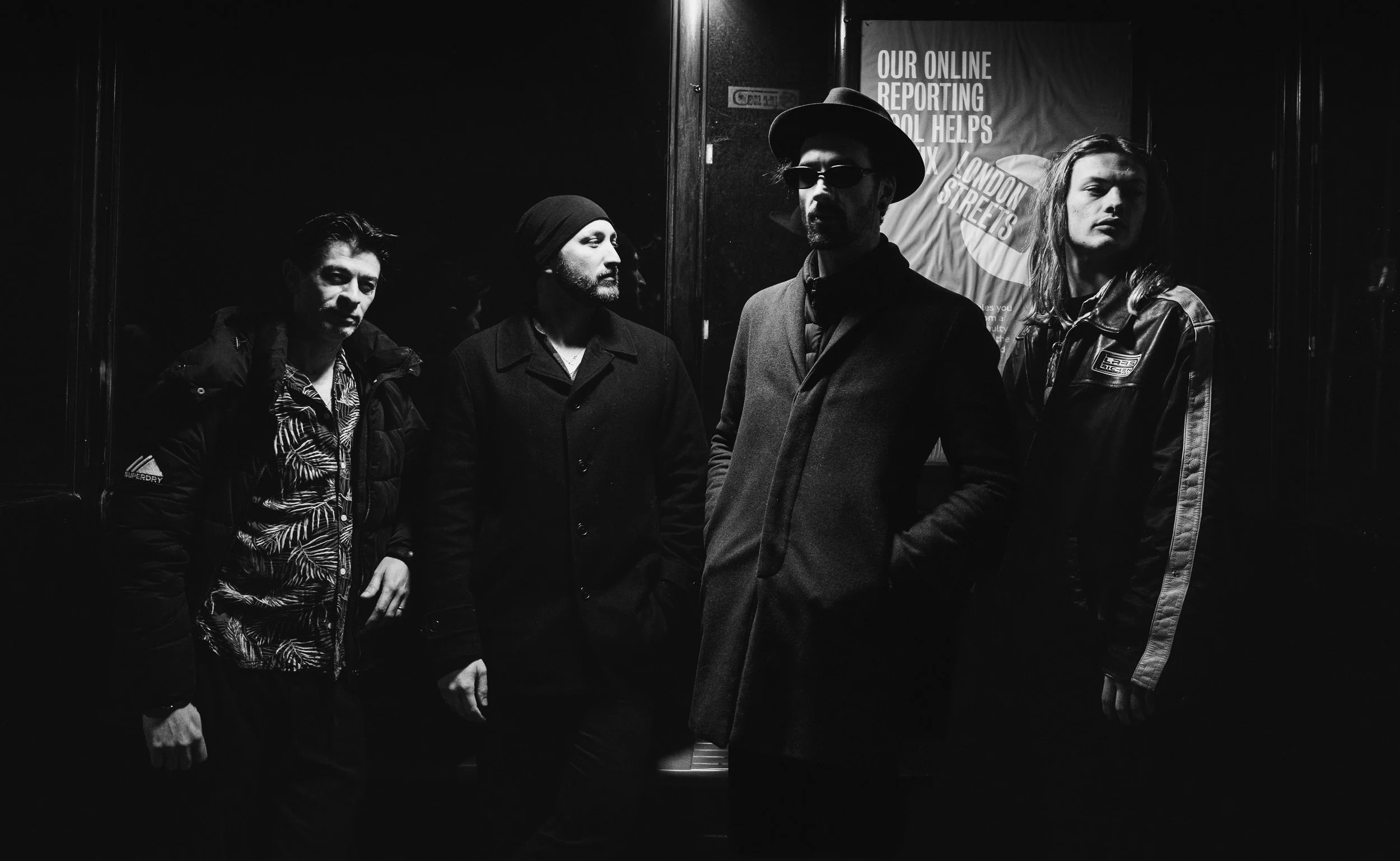
Lost in Town is a London-based alternative rock band led by Italian songwriter Federico. Formed by Italian musicians who found their voice by immersing themselves in the UK music scene. The band wasn’t created to follow a trend or fit a scene—it exists because not writing was never an option. Federico draws from real moments of vulnerability, pressure, doubt, and inner tension, without trying to protect himself or soften the truth.
“Move to Mars” by Lost in Town is an alternative rock meditation on escape, not as fantasy, but as emotional reflex. Rather than leaning into science-fiction imagery, the track uses the idea of fleeing to another planet as a metaphor for the all-too-human urge to run from pressure, responsibility, and unresolved tension. What unfolds is a restrained, slow-burning piece that values mood and honesty over immediate hooks.
The song’s strength lies in its atmosphere. Sparse guitar lines, steady percussion, and carefully layered textures create a sense of space that mirrors emotional distance, while the pacing allows tension to build naturally rather than forcing dramatic moments. The band resists the temptation to erupt into predictable crescendos, choosing instead a controlled, immersive progression that keeps listeners suspended between contemplation and quiet urgency.
Vocally, the performance feels intentionally grounded, conveying frustration and fatigue without slipping into melodrama. The lyrics suggest someone caught between the desire to disappear and the awareness that escape rarely solves anything, giving the track a relatable emotional core. It’s a song about contradiction — wanting relief while knowing change requires confrontation, not flight.
“Move to Mars” also translates well into a live context, where its gradual build and open sonic space invite audiences to sink into the atmosphere rather than simply react to big moments. Lost in Town demonstrate confidence in subtlety, crafting a song that lingers rather than demands attention.
In the end, the track captures a modern mood: the dream of escape tempered by the realization that we carry our problems with us wherever we go.
