
Pop/Review Audren - We're All Lost
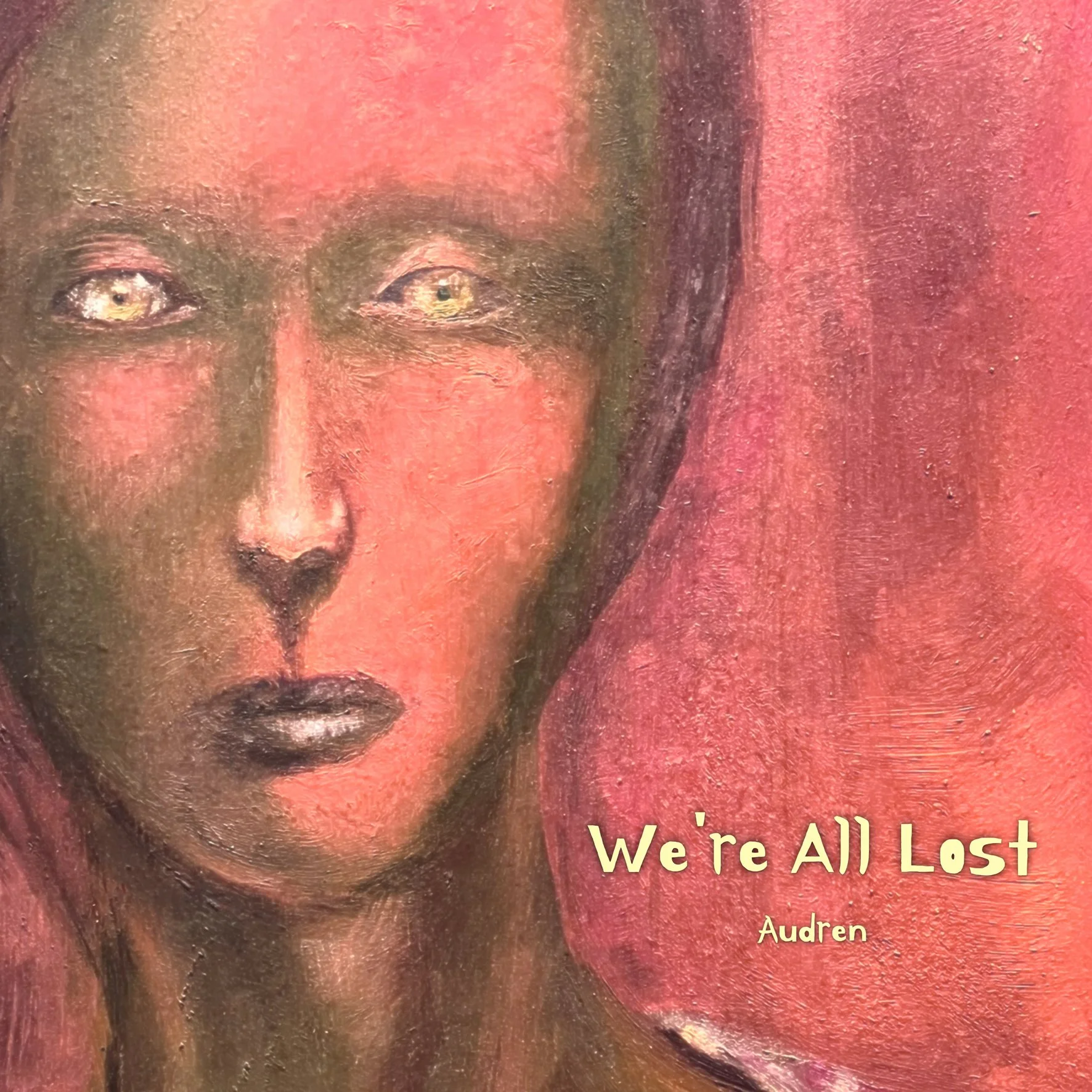
Audren is a good witch, a highly intuitive multidisciplinary artist. Her main goal in life is to heal and uplift people, giving them food for thought and bringing them joy through her art. When Audren started her musician life, David Guetta told her, “We’re not playing in the same field. You make music for musicians.” Even though she never knew if Guetta’s statement was meant to be a compliment, Audren received it as a confirmation of her musical signature.
Audren’s “We’re All Lost” marks a quietly powerful moment in her return to music, showcasing an artist unafraid to lead with vulnerability, empathy, and emotional truth. Blending indie pop with subtle jazz inflections, the song feels like a soft confession shared in confidence, inviting listeners to sit with their uncertainty rather than flee from it. It is gentle in its delivery yet brave in its intent, embracing the idea that being lost is not a failure, but a shared human condition.
Musically, “We’re All Lost” unfolds with graceful restraint. Warm chords, understated rhythms, and a flowing melodic line create a calm, intimate atmosphere that allows Audren’s voice to take center stage. Her vocal performance is tender and unforced, carrying a conversational honesty that draws the listener in. There are echoes of artists like Norah Jones in the song’s soulful ease, yet Audren’s tone and phrasing remain unmistakably her own, giving the track a distinct emotional fingerprint.
Lyrically, the song feels like poetic rebellion in its purest form. Rather than offering easy answers, Audren exposes fragility with compassion, gently reminding us that doubt, longing, and confusion are universal experiences. The message is soothing without being passive, offering a sense of connection and quiet healing through shared understanding. It is music that doesn’t preach, but instead listens — and in doing so, comforts.
“We’re All Lost” stands as a testament to Audren’s artistic maturity and purpose. It is a song that resonates long after it ends, not because it resolves our questions, but because it assures us we are not alone in asking them.
