
Interview: The Story Behind the New YMCA Anthem
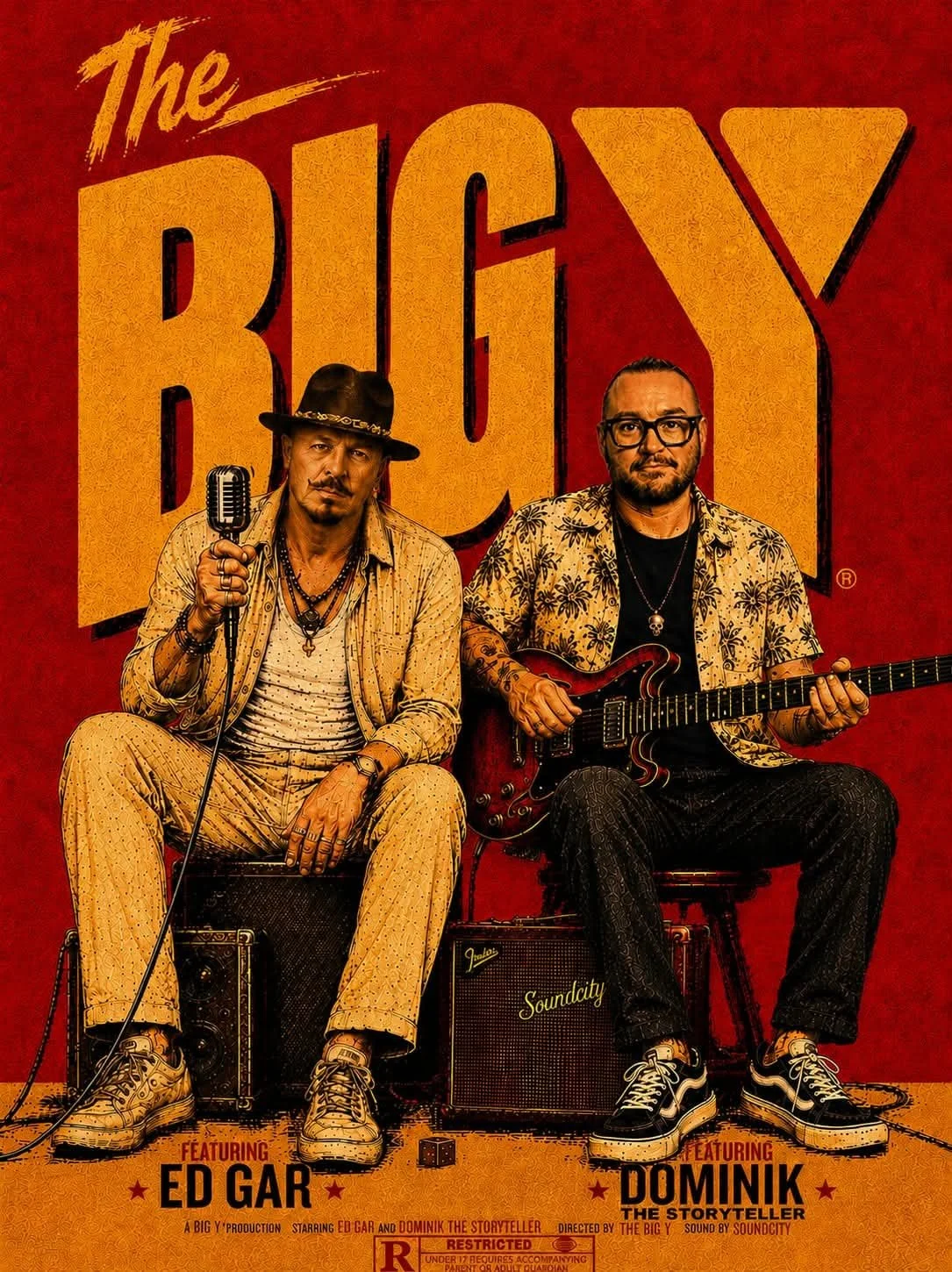
The original “YMCA” by the Village People became a global cultural phenomenon—what inspired the decision to create a completely new anthem for today’s generation?
I smiled when I first heard that question because the original YMCA is one of those songs that belongs to the world. It has brought so much happiness to so many people that it would be foolish to think anyone could replace it. We never wanted to do that.
The idea actually came from asking ourselves a different question. If George Williams were alive today, what would he say to this generation?
I've been part of the YMCA for over thirty years and I've watched young people arrive carrying all sorts of burdens. Sometimes they needed food, sometimes they needed a roof over their heads, but very often they simply needed someone to believe in them. I've seen people walk in with their heads down and, a few months later, walk out standing taller. Those are moments you never forget. When Dominik and I started writing, we weren't chasing a hit record. We were trying to capture that feeling... the moment someone discovers they belong.
The world has changed enormously since 1844. George Williams lived through the Industrial Revolution. We live in a digital revolution. We can talk to someone on the other side of the world in seconds, yet so many young people tell us they've never felt more alone.
I'm not against technology. Far from it. Without it, this song wouldn't reach people around the world. But I do believe there are some things no screen can give us. It can't replace a hug. It can't replace a friendship. It can't replace that feeling of walking into a place where someone smiles and says, "We're glad you're here." That's what the YMCA has always meant to me.
So Come Alive @ The Y isn't trying to replace a classic. It's simply our generation's invitation to young people. Come in. Meet people. Laugh. Discover what you're capable of. You might just find something you've been looking for without even knowing it.
How does the new anthem reflect YMCA’s core mission of building a more just and inclusive society in today’s world?
I've often thought that building a better society doesn't start with governments or big organisations. It starts with ordinary people deciding to care.
Over the years I've seen people come into the YMCA carrying problems they thought were impossible to overcome. They didn't always need someone to solve everything. Sometimes they just needed someone to listen, encourage them and remind them they still had value.
That's why this song means so much to me. It's really about belonging. About reminding people that no matter where you've come from or what you've been through, there's always a place where you're welcome.
If we can help someone feel seen instead of invisible, then we're moving in the right direction.
“Come Alive @ The Y” positions itself as more than just a song, but a movement—what does that movement look like in practice?
When we talk about a movement, I don't imagine people sitting back and watching. I imagine people joining in.
That's why Come Alive @ The Y isn't just a song. We hope people dance to it, share it, perform it, but more importantly, we hope they become part of what it represents.
Maybe they'll volunteer. Maybe they'll make a new friend. Maybe they'll simply walk into a YMCA for the first time. Every movement begins with one person taking a first step. George Williams did that. Now it's our turn.
What role does music play in engaging young people and strengthening communities within the YMCA network globally?
One of my favourite memories is standing in Toronto and looking around the room. There were people from every corner of the world. Different languages, different cultures and different stories. Then the music started.
For a few minutes none of those differences mattered. We were simply one YMCA family. That's what music does. It reaches places that speeches never can.
I'd love this anthem to become part of moments people remember years from now. Not because it was a great song, but because it brought people together. At the end of the day, that's what music is really for.
The campaign emphasizes participation—dance challenges, sharing stories, and community involvement. Why was it important to make this anthem interactive?
Young people don't want another lecture. I don't think I did either when I was their age. They want to be trusted. They want someone to say, "Come on, be part of this."
That's why we wanted this anthem to be interactive. Yes, we'd love people to dance, make videos and share them around the world. But underneath all that is something much more important.
Every time someone joins in, they're saying, "This belongs to me as well." That's exactly what the YMCA has always been about. This isn't our song anymore. It belongs to the next generation.
How do the artists behind the anthem balance honoring YMCA’s long history with creating something fresh and relevant?
People sometimes ask me how you respect almost two hundred years of YMCA history without getting stuck in the past. To me, the answer is quite simple. George Williams didn't become remarkable because he kept looking backwards. He became remarkable because he looked around him.
He saw young people who needed hope, friendship and direction, and he decided to do something about it. When I painted George Williams for The Spark, I spent a long time looking into those eyes. Strange as it may sound, I kept asking myself, "What would he say if he walked into a YMCA today?" I don't think he'd ask whether we were singing the right songs or using the latest technology. I think he'd ask one question... "Are you still changing lives?" That's the question we asked ourselves when we wrote this anthem.
In what ways does this new anthem speak to modern issues facing youth, such as identity, belonging, and mental wellbeing?
Every generation has its own struggles. George Williams lived through the Industrial Revolution. Today, many young people are facing a different kind of challenge. They're surrounded by people, yet so many feel completely alone. In recent weeks we've seen far too many young lives lost to despair. Every one of those stories breaks my heart because behind every smile there can be someone silently crying for help.
I've learnt that most young people aren't looking for someone with all the answers. They're looking for someone who listens... someone who believes in them... someone who says, "You don't have to face this on your own." That's where I think the YMCA can still make an enormous difference. If this song encourages just one young person to reach out instead of giving up, or one adult to notice someone who is struggling, then it was worth every hour we spent creating it.
YMCA has been empowering communities since 1976 in Malta and even longer globally—how does this anthem mark a new chapter in that journey?
This year YMCA Malta celebrates fifty years, and when I stop and think about that, I feel incredibly grateful. So many people gave their time, their energy and their love long before I arrived. We're simply adding our chapter to a story that began many years ago.
For me, this anthem is another way of reaching young people. Not through a meeting. Not through a speech. But through music. If one day young people in Malta, Canada, Kenya or Brazil are all singing the same chorus and feeling they're part of one family, I think George Williams would probably be smiling. That's a lovely thought.
What impact do you hope this anthem will have internationally—both musically and socially?
To be honest, I've never really started a project thinking about success in terms of numbers. As I've got older, success has taken on a different meaning. I'd much rather hear someone say, "That song encouraged me to volunteer," or, "It gave me hope," than hear how many times it was streamed.
Of course I'd love people to enjoy the music. But if it inspires people to care a little more, to help someone, or simply to believe that kindness still matters, then I think we've achieved something much bigger than writing a song.
If listeners take away just one message from the new YMCA anthem, what should it be—and how can they actively be part of the movement?
If I could leave people with one message, it would simply be this... You matter. You don't have to be famous. You don't have to be the best. You don't have to have your whole life worked out. Every one of us has something worthwhile to give. I've met people who had very little, yet they were incredibly generous. I've also met people who had everything, yet they were still searching for happiness. That taught me something. Life isn't measured by what we keep. It's measured by what we give away.
So if this anthem encourages someone to make a new friend, to volunteer, to notice someone sitting on their own, or simply to be a little kinder tomorrow than they were today... then I think we've done exactly what George Williams hoped people would still be doing all these years later. And if that happens, the movement has already begun.